


He did not neglect his own creative work and began to enjoy considerable success. While still
in Czechoslovakia, he received an invitation to the Biennial in São Paulo, and in 1975, the Guggenheim Museum organized an exhibition of his works. He did not return to Prague until 1997, with a large artistic output and the aura of an oppositionist.
It is difficult to say whether Jiri Kolar, a self-taught artist and the son of a baker and a seamstress, was more of a poet or a visual artist in his life.
He himself described his artistic achievements as visual poetry. Kolar's main field of activity in the visual arts was collage. He even created his own new techniques for making collages. In 1975, he published a treatise on the subject in Paris, entitled "Dictionary of Methods."
Although his first exhibition took place in 1937 and the works exhibited there were mainly inspired by surrealism and Dadaism, Jiri Kolara was mainly occupied with literature until the 1950s. He wrote poems, plays, treatises, and literary works that defied the classifications of literary theorists; he experimented. This is not the place to evaluate Kolar as a writer, but it must be said that contemporary literary historians see him as an almost key figure in Czech literature of the interwar period.
Arrested during the Stalinist era and banned from publishing after 1970, he left Czechoslovakia and ended up in France. He was granted French citizenship. From the 1980s, he published a bilingual quarterly magazine, Revue K, devoted to Czech art. He did not neglect his own work and began to enjoy considerable success. While still
in Czechoslovakia, he received an invitation to the São Paulo Biennial, and in 1975, the Guggenheim Museum organized an exhibition of his works. He did not return to Prague until 1997, with a large artistic output and the aura of an oppositionist. His importance for Czech culture is evidenced by the fact that he was more of an authority for Vaclav Havel than Havel was for him.
Collections of his poetry were published in Poland, and in 2012, MOCAK in Krakow organized an exhibition of his works.
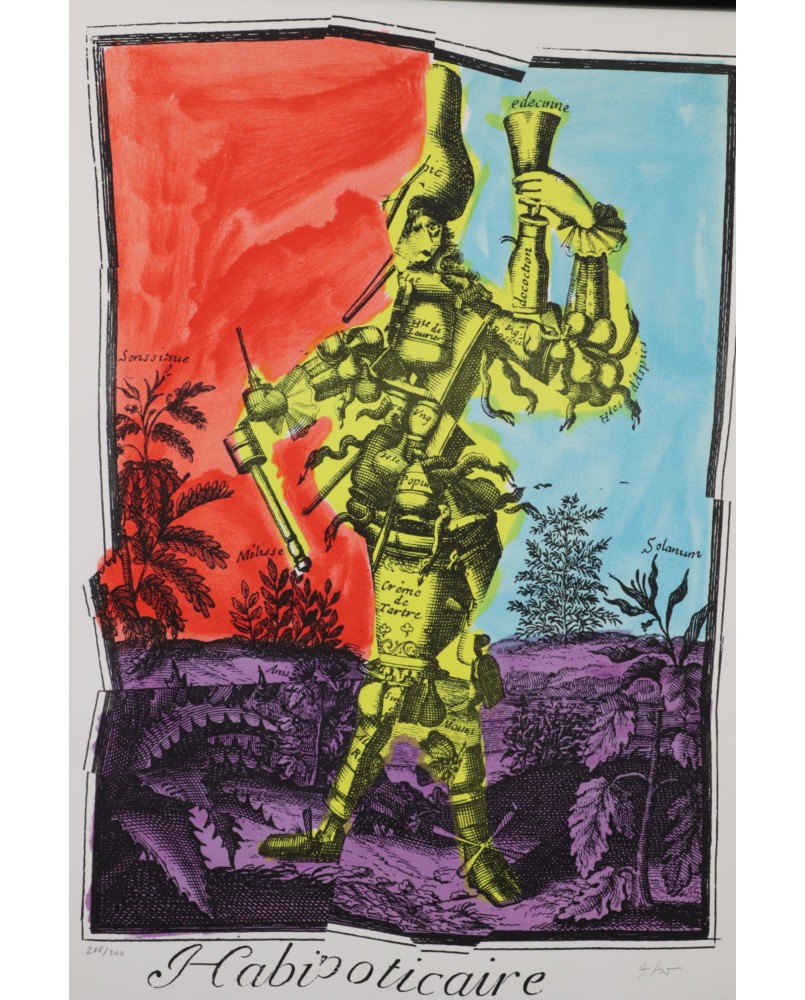
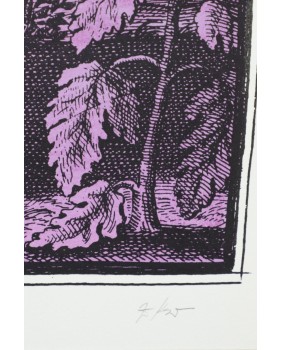
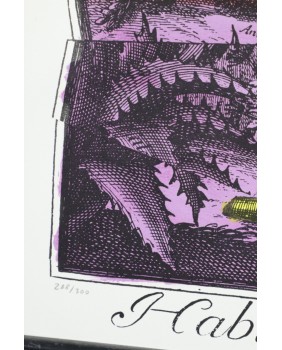
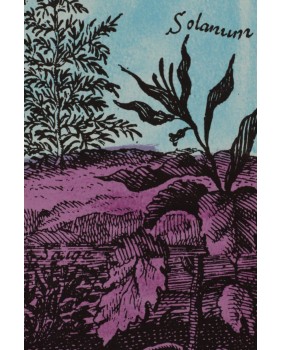
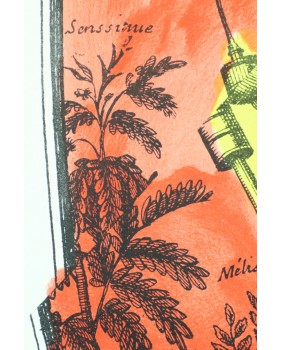
I bought the lithograph in France. When I saw it from a distance, I hoped that the author was Salvador Dali. The influence of surrealism remained visible in Kolar's works throughout his career. The lithograph is in good condition. It measures 67 by 52 cm.
He did not neglect his own creative work and began to enjoy considerable success. While still
in Czechoslovakia, he received an invitation to the Biennial in São Paulo, and in 1975, the Guggenheim Museum organized an exhibition of his works. He did not return to Prague until 1997, with a large artistic output and the aura of an oppositionist.