


The subject that brought him worldwide fame was Biafra. The civil war in Nigeria caused famine and the death of thousands of innocent people. The immediate impulse for the creation of a series of sculptures, mainly in bronze, was a photograph of a Nigerian child. The artist traveled with these sculptures to many countries around the world, sharing his pain caused by unjust and undeserved death. While reading studies on the subject, I came across the opinion that this series is one of the most outstanding Argentine sculptures of all time.
At the age of 9, Antonio Pujia found himself in Argentina with his parents as an economic emigrant. The family left a small, poor village in Italy, Antonio's birthplace. The completely unfamiliar environment of a Spanish-speaking school, the inability to communicate with his peers, and, in addition, late-diagnosed myopia caused the boy to withdraw into himself. Drawing became a way for him to express his emotions and interact with his surroundings. It must have been interesting enough that his teachers convinced his reluctant parents that the boy's future lay in art education.
Antonio studied from 1943 to 1954. He obtained a master's degree in sculpture at the Ernesto de la Carkowa National College of Fine Arts and became a professor of sculpture at the Prilidiano Pueyrredon National School of Fine Arts.
In 1956, he won a competition for the newly created position of head of the Stage Sculpture Department at the Colon Theater. He worked there until 1970, becoming completely fascinated with dance, opera, dancers, and stage movement. This was the first of the major themes that Pujia dealt with.
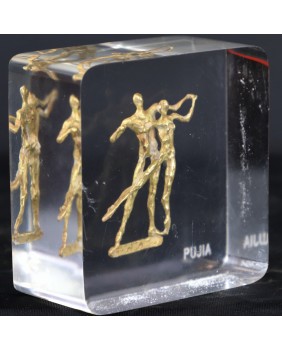
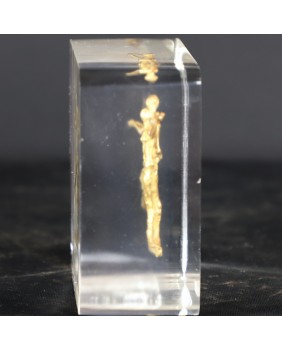
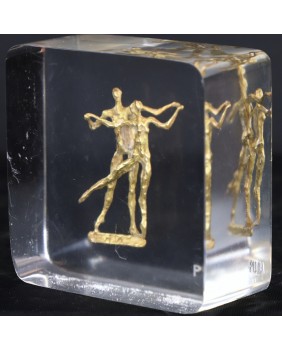
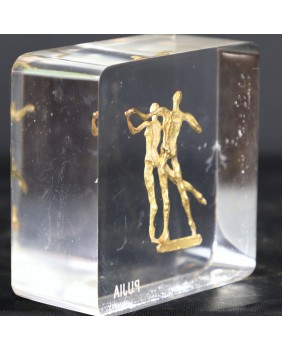
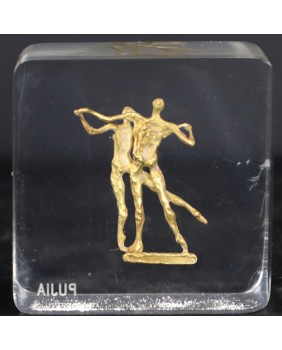
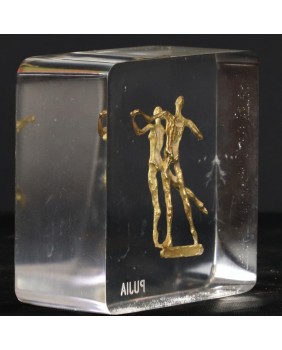
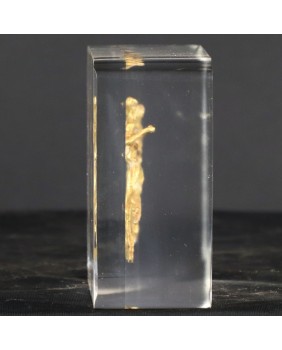
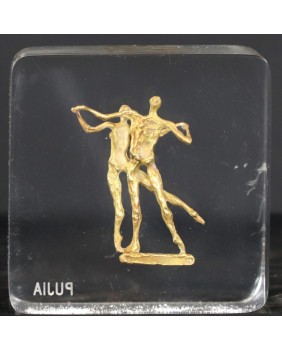
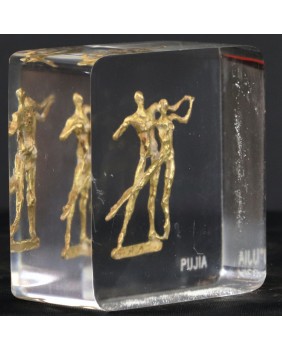
After 1970, he opened his own studio and sculpture workshop. He created original artistic jewelry. He experimented with mini sculptures.
The theme that brought him worldwide fame was Biafra. The civil war in Nigeria caused famine and the death of thousands of innocent people. The direct impulse for the creation of a series of sculptures, mainly in bronze, was a photograph of a Nigerian child. The artist traveled with these sculptures to many countries around the world, sharing his pain caused by unjust and undeserved death. Reading studies, I came across the opinion that this series is one of the most outstanding Argentine sculptures of all time.
Another important theme that Pujia dealt with was love, including the physical act between a man and a woman. This theme fascinated the artist until the end of his life, although in the end it transformed into a series paying tribute to women.
Antonio Pujia was also a medalist. He created hundreds of designs, many of which were realized and presented on the occasion of important events in Argentina.
Pujia quickly gained recognition from art critics in Argentina. At the age of 30, in 1959, he received an important state award, and two years later he received Argentina's most important award for creators of culture and art. In doing so, he broke with a certain established pattern, as this prestigious award was usually given to artists at the end of their careers, after many years of creative work.
Despite this, Antonio Pujia never counted on state support. On the contrary, during the dictatorship in Argentina, he clearly expressed his opposition to it. He financed even his largest series of sculptures himself. He sculpted in bronze, plaster, and marble.
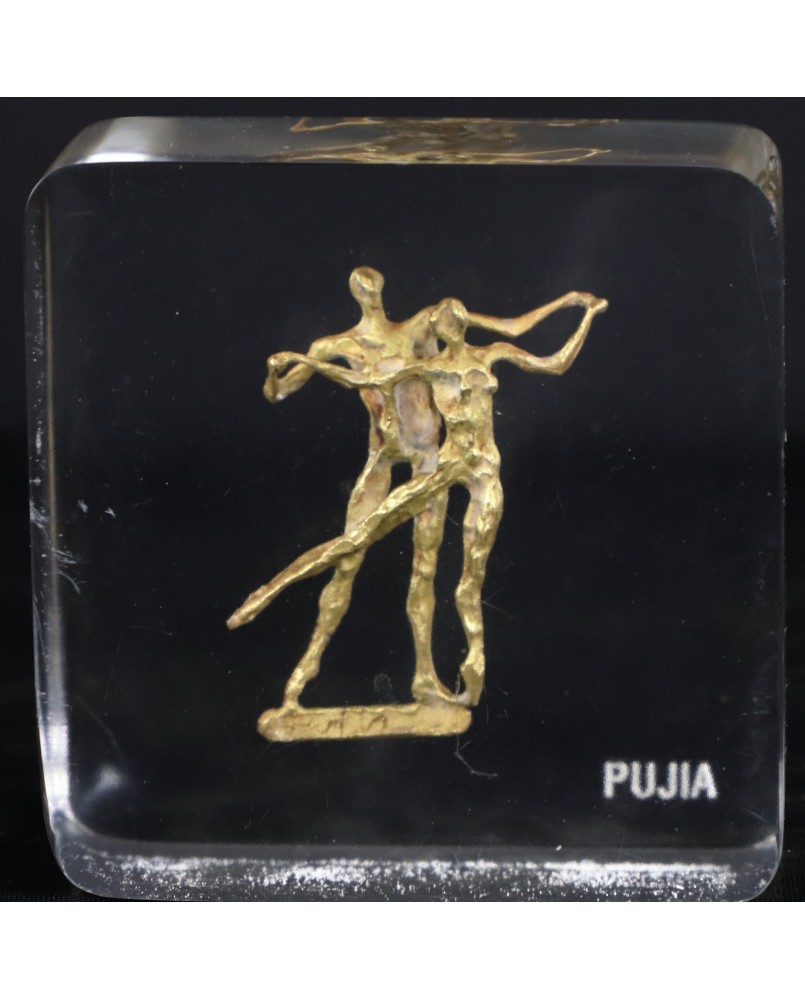
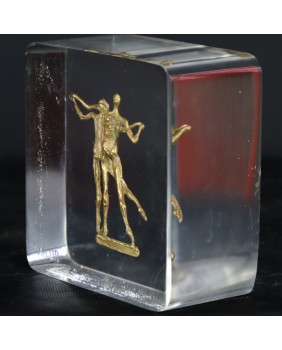
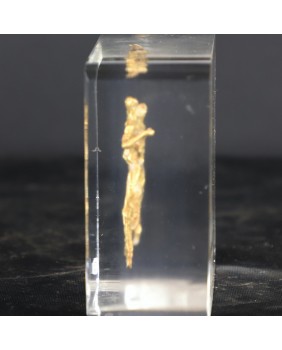
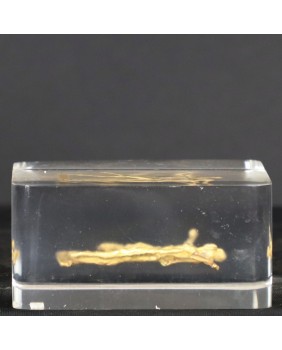
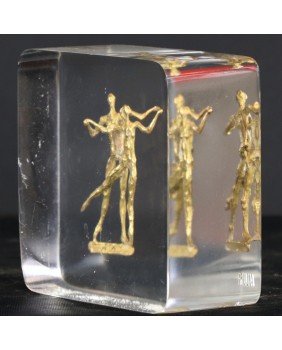
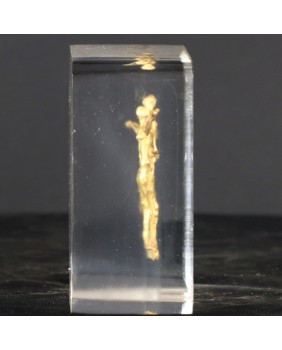
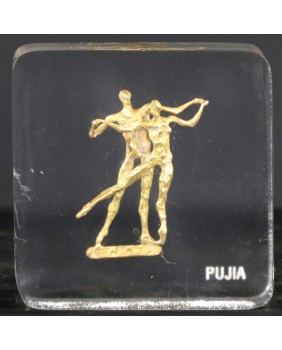
The sculpture on offer was created after 1970, when the artist experimented with various sculptural materials in his own studio, creating mini sculptures. It measures 9 by 9 by 4 cm.
The subject that brought him worldwide fame was Biafra. The civil war in Nigeria caused famine and the death of thousands of innocent people. The immediate impulse for the creation of a series of sculptures, mainly in bronze, was a photograph of a Nigerian child. The artist traveled with these sculptures to many countries around the world, sharing his pain caused by unjust and undeserved death. While reading studies on the subject, I came across the opinion that this series is one of the most outstanding Argentine sculptures of all time.