


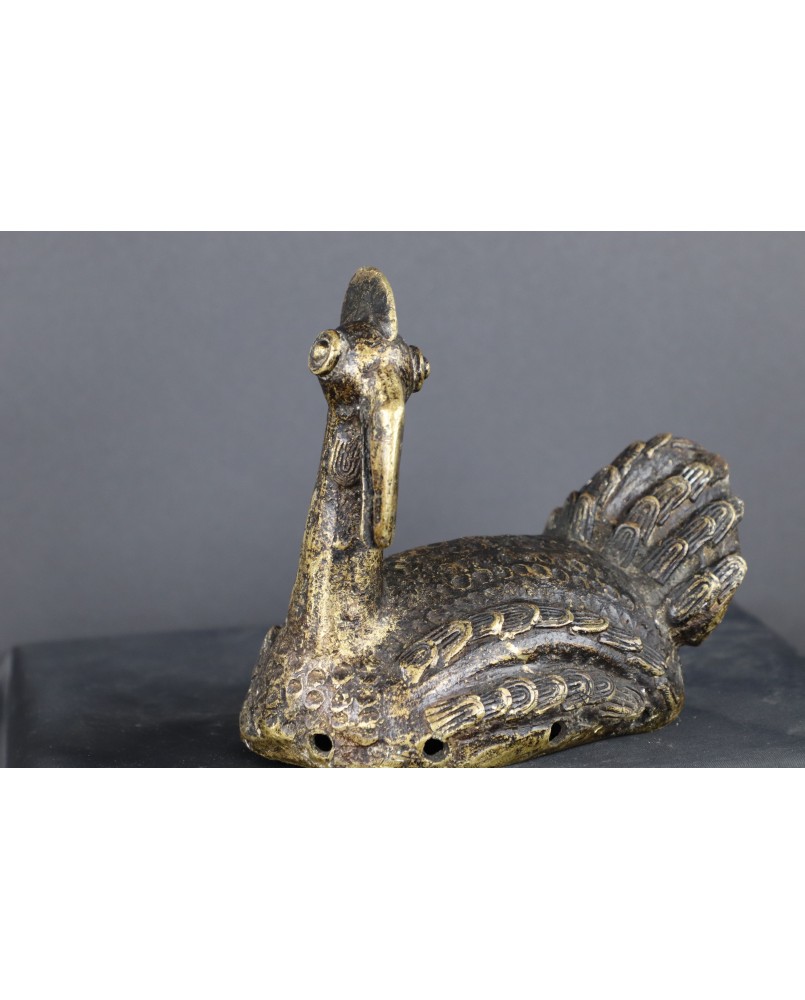
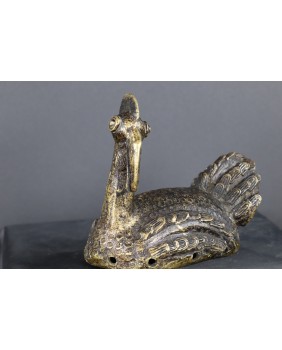
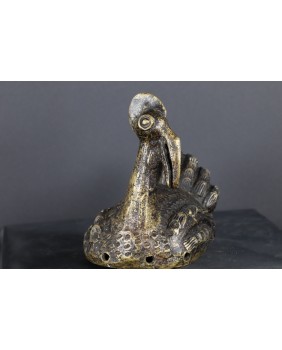
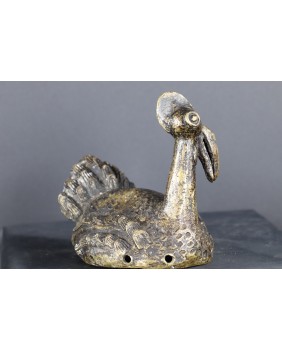
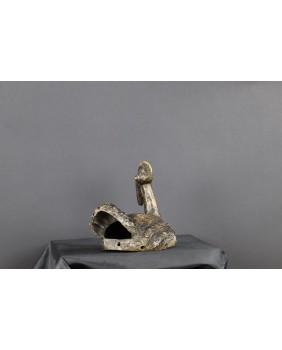
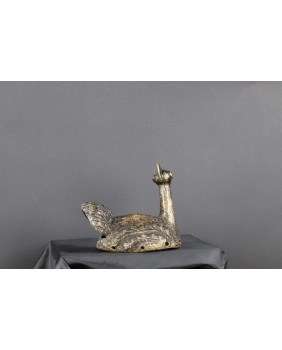
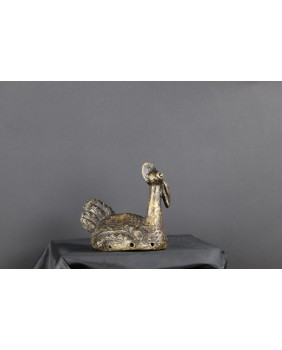
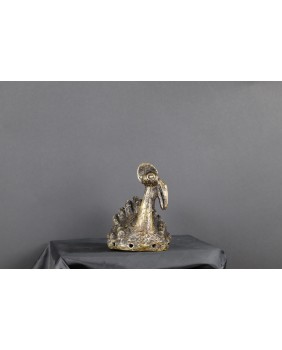
It probably depicts a hornbill, although I cannot completely rule out the possibility of it being a guinea fowl, for example. However, given how popular hornbills are in African tribal art, I would argue that this bird was the inspiration for the sculpture.
I have a rare gift for getting myself into trouble. I buy something beautiful, but I am unsure of its origin, and even hours of searching the internet do not dispel my doubts.
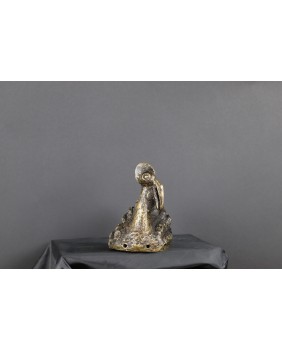
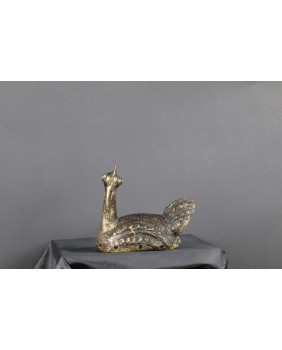
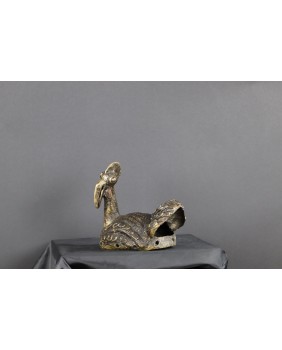
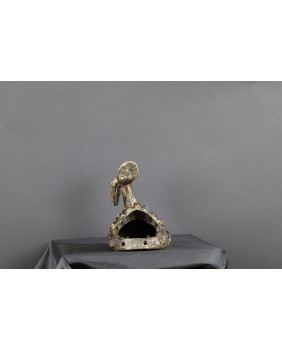
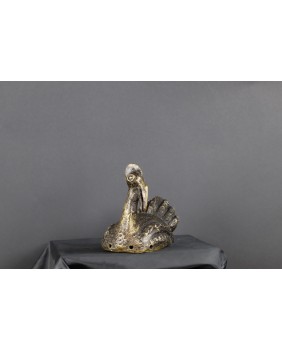
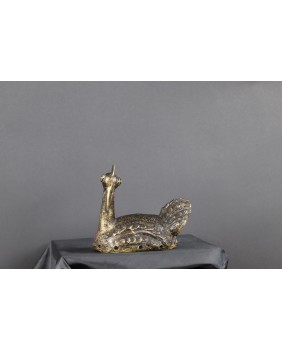
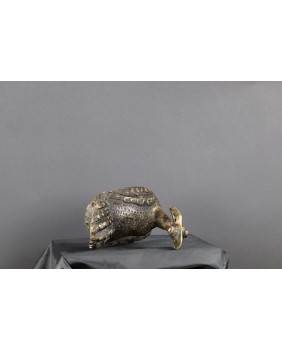
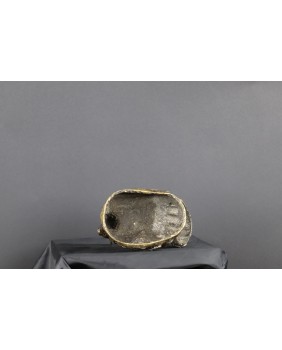
The only thing that is clear to me is that the sculpture comes from Africa. I think it is part of a helmet mask. This is evidenced by the holes that allow for the attachment of a raffia or reed structure covering the dancer's face. It probably depicts a hornbill, although I cannot completely rule out, for example, a guinea fowl. However, given how popular images of hornbills are in African tribal art, I would argue that this bird was the prototype for the sculpture.
The hornbill is a bird full of symbolism in Africa. Hornbills mate for life and raise their offspring together, which means that they are considered to play an important role in raising young members of the tribe. They are synonymous with happiness and family stability. According to the beliefs of some tribes, these birds have the ability to communicate with the spirits of deceased ancestors inhabiting the skies. They are intermediaries capable of conveying the prayers and requests of people living on earth to the spirits. Crested birds are particularly common in Senufo tribal art. Unfortunately, depictions of these birds are very similar throughout Africa. Such a bird could have been created in Ghana, Burkina Faso, Benin, or Nigeria. I cannot say for sure.
The bronze has a nice patina, and I think it was made several decades ago. It is quite detailed, showing the arrangement of feathers, which is not very common in tribal art. It is 17 cm high, 19 cm long, and 12 cm wide.
It probably depicts a hornbill, although I cannot completely rule out the possibility of it being a guinea fowl, for example. However, given how popular hornbills are in African tribal art, I would argue that this bird was the inspiration for the sculpture.