


They were used to conduct the most serious transactions. Land and cows were bought, wives were paid for, and inheritances were transferred.
Africa knew many ways of regulating mutual obligations. One of them was bracelets, called manillas. Details are known about the agreement concluded by the Portuguese crown with Antwerp in 1529. The dimensions of the manilla were strictly defined as 24 cm in diameter and 600 grams in weight. Initially, copper was the commonly used metal. Only later did brass begin to be used as a cheaper and easier to produce material, and the dimensions and weight were reduced. An elephant tusk cost 1 manilla, a slave cost 8-10 manillas, and a young healthy woman cost a dozen or so. Apart from manillas, the most popular currencies in Africa were Katanga crosses and Kissi bars.
Bracelets as a means of payment were most widespread in West Africa. There were, of course, local differences in their shapes and sizes, but they were widely accepted. They were used to make the most serious transactions. They were used to buy land and cows, pay for wives, and transfer inheritance. Placed on a wife, they documented her husband's wealth. However, the main reason for their existence was the slave trade. When it was banned in the second half of the 19th century, manillias lost their significance. Only their decorative function remained, so some of this money was melted down. This resulted in the creation of many beautiful monuments of African tribal art.
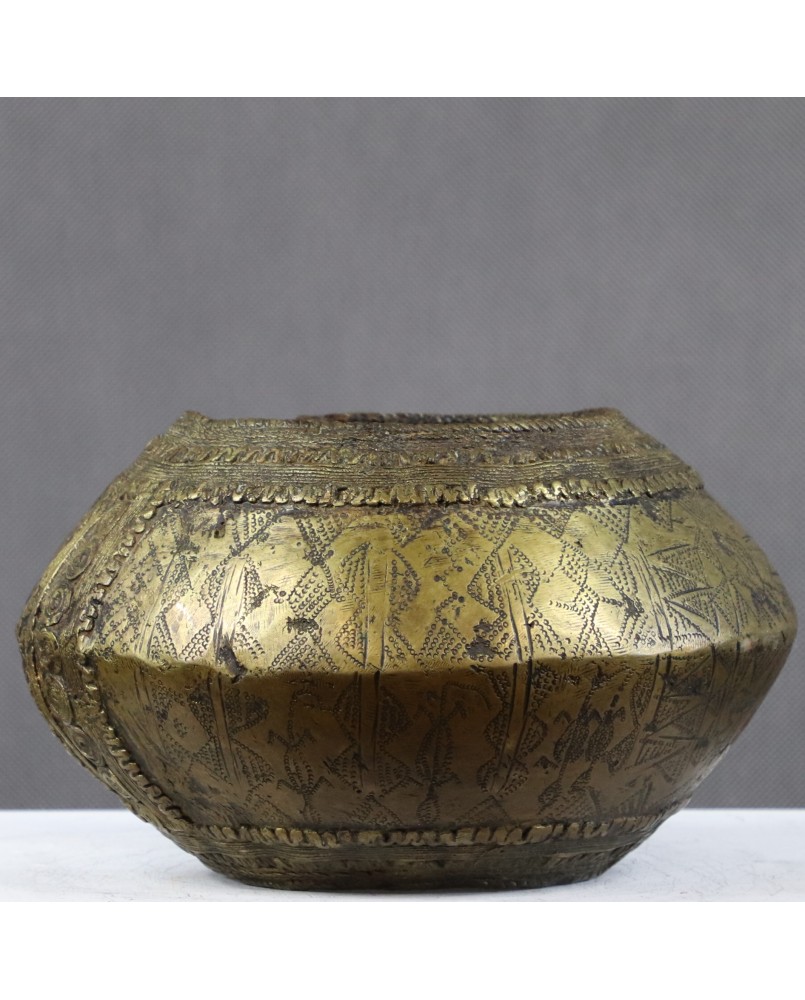
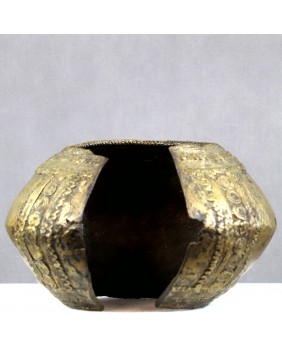
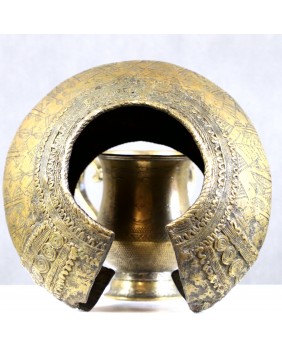
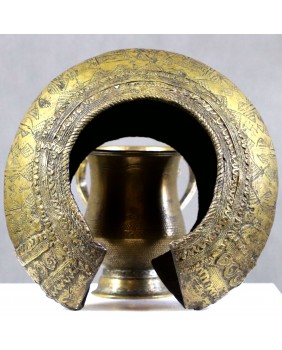
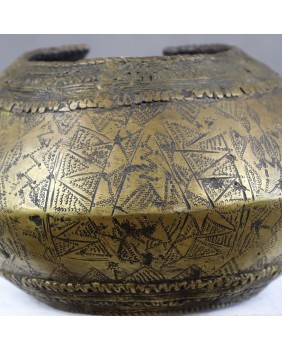
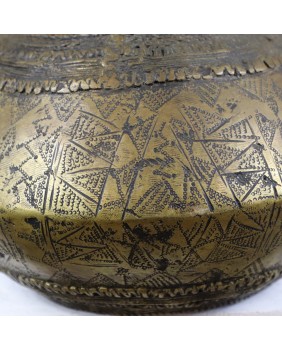
It is not easy to attribute this bracelet to a specific manufacturer. It definitely comes from West Africa. The differences in primitive decorations were really minor. I would bet on the Mossi from Burkina Faso, but I cannot rule out the Baoule from Niger, the Tuaregs or the Fulani. As for dating, the only thing I am sure of is that no one has ever bought anything for it.
The bracelet is 23 centimeters in diameter, so it does not differ much from the first 16th-century model. I have not weighed it, but I think it is similar.
They were used to conduct the most serious transactions. Land and cows were bought, wives were paid for, and inheritances were transferred.